Tactical Search Operations and Infrastructure Disruptions
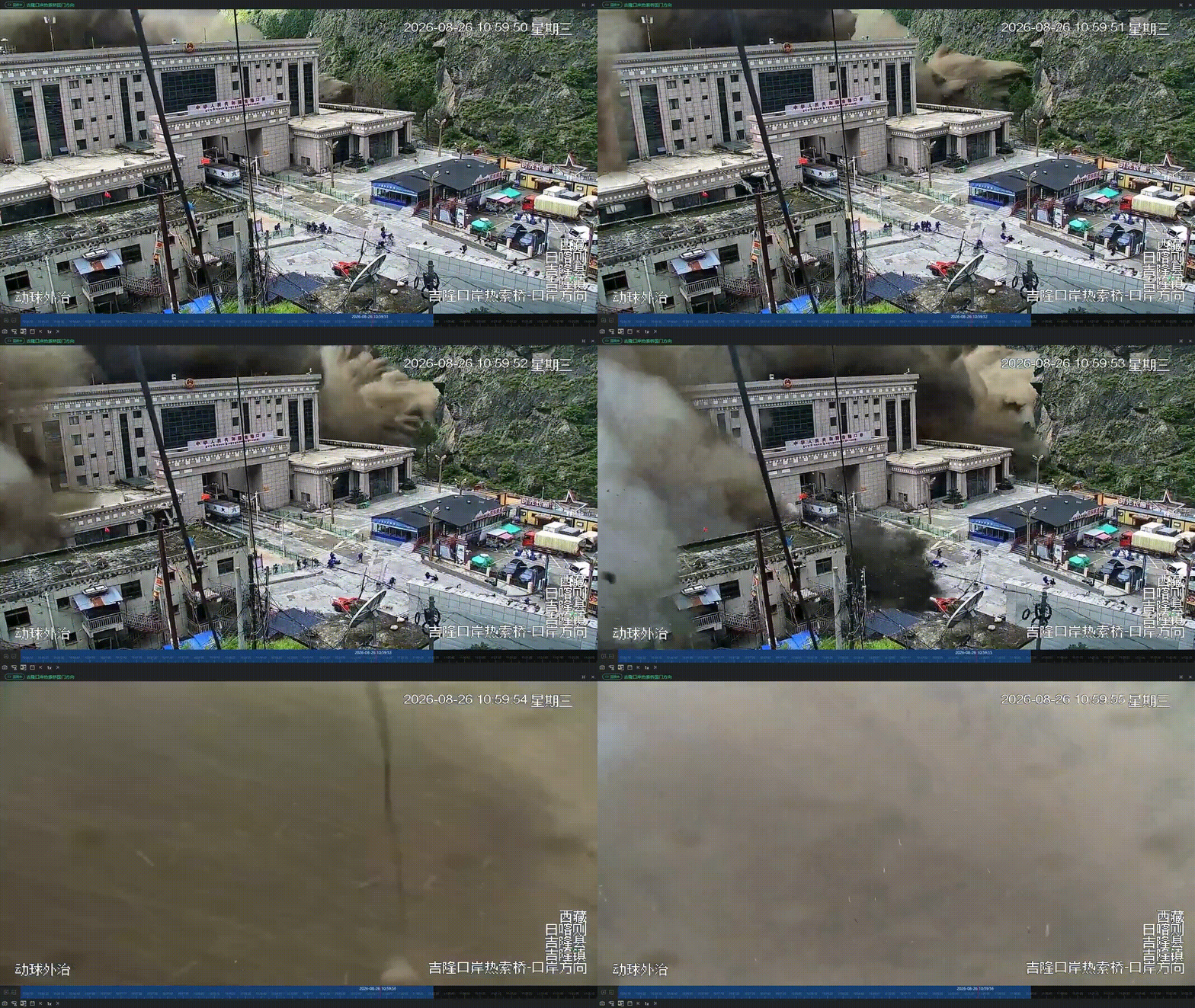
Advanced search-and-rescue operations in Nepal achieved unexpected operational breakthroughs, successfully recovering survivors ten days after severe flooding and landslips devastated critical mountain corridors. Recent extractions include foreign engineering personnel and local hydropower workers, illustrating the extreme operational hazards confronting emergency personnel in high-altitude terrain. The natural disaster has significantly disrupted regional energy production, briefly paralyzing key hydroelectric assets crucial to local and cross-border power supply chains.
Geopolitical and Strategic Disaster Resilience
The presence of international personnel within primary industrial disaster zones highlights the deeply interconnected nature of foreign investments in South Asian civil infrastructure. As tactical search efforts persist for thousands of individuals remaining unaccounted for, crisis operations emphasize the growing requirement for streamlined humanitarian logistics, interoperable emergency comms, and modern search technology capable of operating under severely compromised topography.
Long-Term Implications for Regional Infrastructure Security
Beyond the immediate human and logistical recovery efforts, the catastrophic flooding underscores systemic vulnerabilities within South Asia’s critical energy infrastructure. Strengthening physical assets and logistics corridors against extreme environmental disruptions remains an essential priority for long-term regional economic stability. Moving forward, strategic investments will increasingly depend on implementing hardened engineering standards, intelligence-driven early warning networks, and multi-national emergency coordination frameworks.