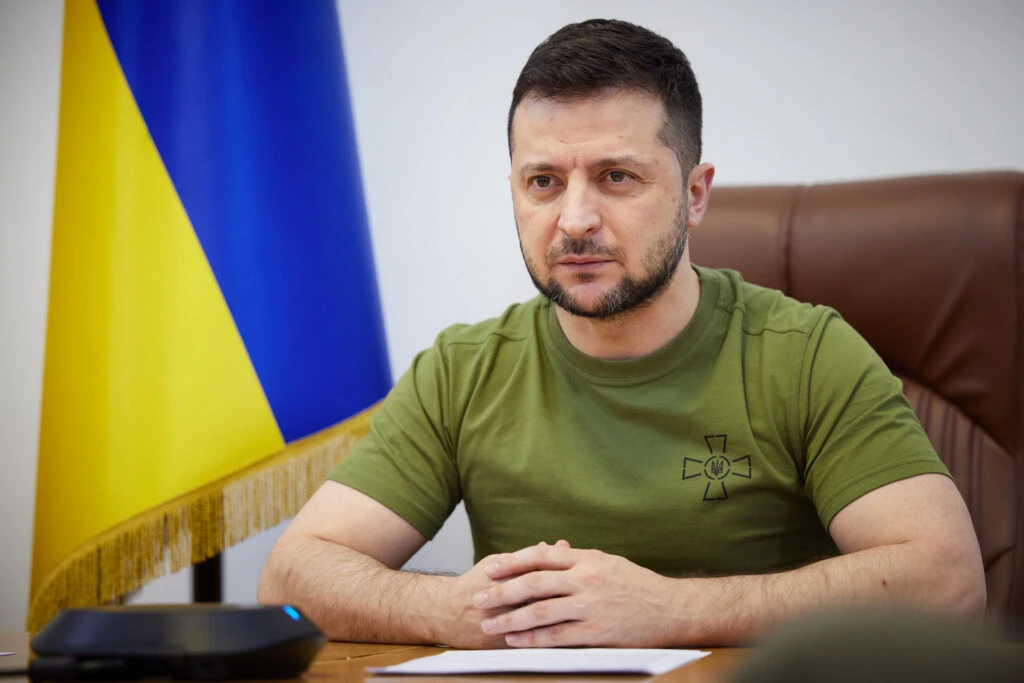
In a significant geopolitical development, Moscow and Kyiv have entered a temporary, reciprocal 72-hour moratorium on capital strikes, effective through Monday. Russian President Vladimir Putin ordered a suspension of long-range aerial attacks against Kyiv, coinciding with Ukrainian President Volodymyr Zelensky’s commitment to halt deep-precision drone operations targeting Moscow.
Diplomatic Backchannels and American Engagement
This localized operational pause comes as key diplomatic representatives, including US envoys Steve Witkoff and Jared Kushner, conducted high-level discussions with Kremlin leadership in Moscow. The delegation is scheduled to travel directly to Kyiv for subsequent talks with Ukrainian leadership, pointing to an intensifying diplomatic push to establish managed de-escalation frameworks.
Operational Realities Amid De-Escalation Efforts
While the capital-focused agreement marks a notable tactical freeze on strategic infrastructure strikes, broader frontline hostilities persist. Intelligence assessments indicate that localized combat and regional strikes continue outside the capital corridors, recently resulting in casualties across secondary operational sectors. The temporary pause highlights the strategic utility of targeted diplomatic pauses in shaping wider conflict dynamics.