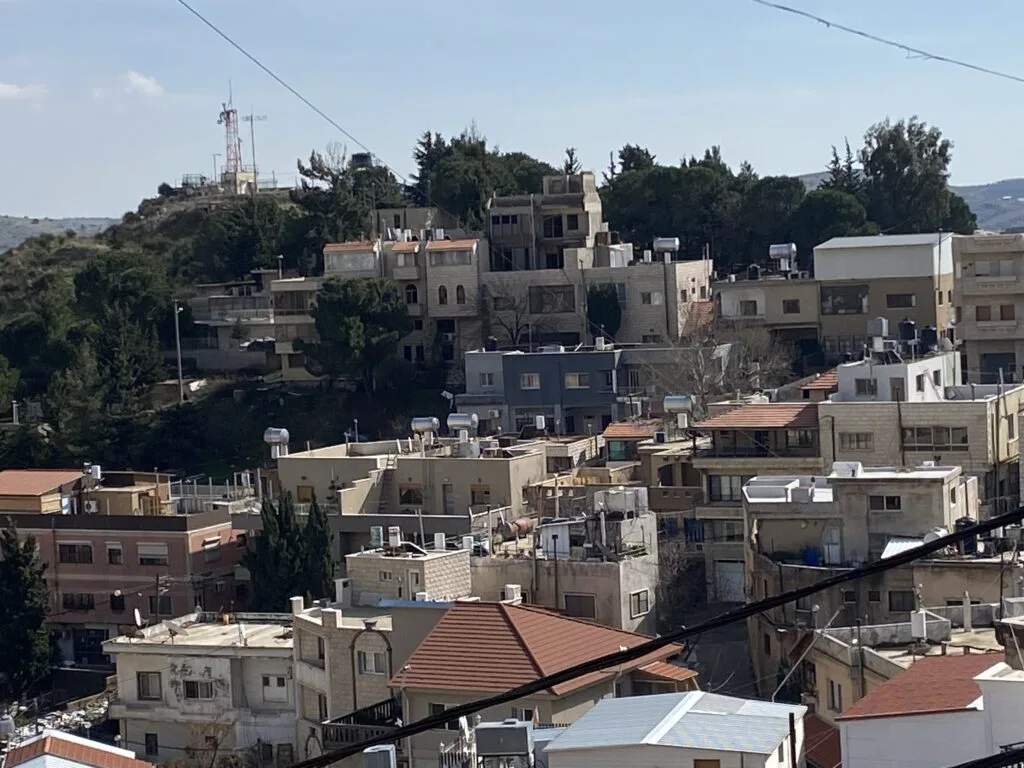
Recent statements by Hikmat al-Hijri, a leading spiritual figure within Syria’s Druze community, have introduced a notable shift into the complex geopolitical landscape of the Levant. Al-Hijri’s assertion that the Druze are an “inseparable part of Israel” represents a significant departure from established diplomatic norms and reflects growing internal pressures within Syria.
The timing of this declaration is particularly noteworthy, occurring against a backdrop of heightened tensions between factions loyal to al-Hijri in As-Suwayda province and Syrian government forces. This region has become increasingly autonomous, with local militias asserting control and challenging Damascus’s authority. While the precise nature of any potential coordination remains unclear, the statement suggests a possible strategic alignment or at least an expressed desire for protection from Israeli entities amidst ongoing instability within Syria itself.
Community Leadership & Cross-Border Druze Solidarity
The Druze community’s unique position – geographically situated near Israel and possessing distinct cultural and religious identities – has historically made them a focal point of regional power struggles. Al-Hijri’s statement could be interpreted as an attempt to secure greater autonomy or even protection from external threats, potentially leveraging perceived Israeli support. Economically, any formalized relationship would likely involve humanitarian aid and infrastructure development within As-Suwayda, impacting the Syrian government’s ability to exert control over its own resources.
The declaration has prompted reactions across multiple agencies, including heightened intelligence gathering by both Israeli and Syrian security services. Industry analysts suggest that this event could accelerate discussions regarding normalization efforts in the region, particularly concerning border management and resource sharing. The Syrian government’s response will be crucial; a forceful reaction risks further destabilization while tacit acceptance would signal a significant loss of control.
Regional Stability Pathways & Civic Integration
Moving forward, careful monitoring of interactions between Israeli entities and Druze communities in As-Suwayda is essential. The Syrian government’s official response will be a key indicator of future stability within the region. Diplomatic channels should remain open to facilitate communication and de-escalation, while acknowledging the complex dynamics at play. Future oversight requires a nuanced understanding of the internal power structures within Syria and the potential for further realignments among various factions.